
Korea - Early 1900's
- The Legacy Project

- Aug 2, 2025
- 2 min read
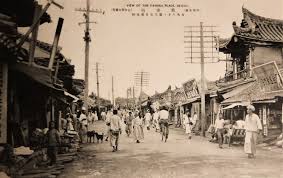

In the early 1900s, under Japan's rule over Korea, my great-grandfather left his homeland to study in Japan. There, he met my great-grandmother, a nursing student, and they eventually married. After returning to Korea, he became a principal at a national school.
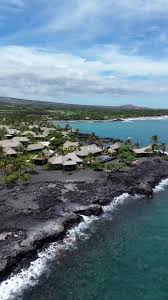
Their son, my grandfather, later became a successful businessman in Korea. Unfortunately, after over-investing, his business collapsed in 1983. Faced with difficult circumstances, he decided to move his family to Hawaii for a fresh start. However, this new chapter was filled with challenges—he didn’t speak English, had no money, and ended up working for a fence company.
Despite these hardships, my grandfather found opportunity. While working, he observed the bustling streets of Honolulu, filled with cars, and saw potential. Seizing the moment, he opened a small auto body shop. Over time, his business became well-known across the island for its quality.
My father faced his own struggles when he arrived in Hawaii as a teenager with limited English. He spent his days helping out at my grandfather’s shop and nights studying, using a Korean-English dictionary to navigate through school. World history class, in particular, was a challenge. He struggled to understand the lessons and would often use the time to catch up on sleep.
One day, his world history teacher accused him of cheating—an accusation rooted in stereotypes. Despite being one of the top students, she assumed he was dishonest simply because he was foreign. The entire class stared at him as she accused him after a pop quiz. Without knowing it, my father had been labeled the "cheater" and was moved to a different class.
In that new class, his hard work continued to shine. His new teacher recognized his dedication, proving the previous accusation wrong. Still, my father never received an apology.
Though he retells the story today with humor, I recognize the humiliation and frustration he must have felt at the time.


Comments