
Seoul, South Korea - 1953
- The Legacy Project

- Aug 2, 2025
- 2 min read
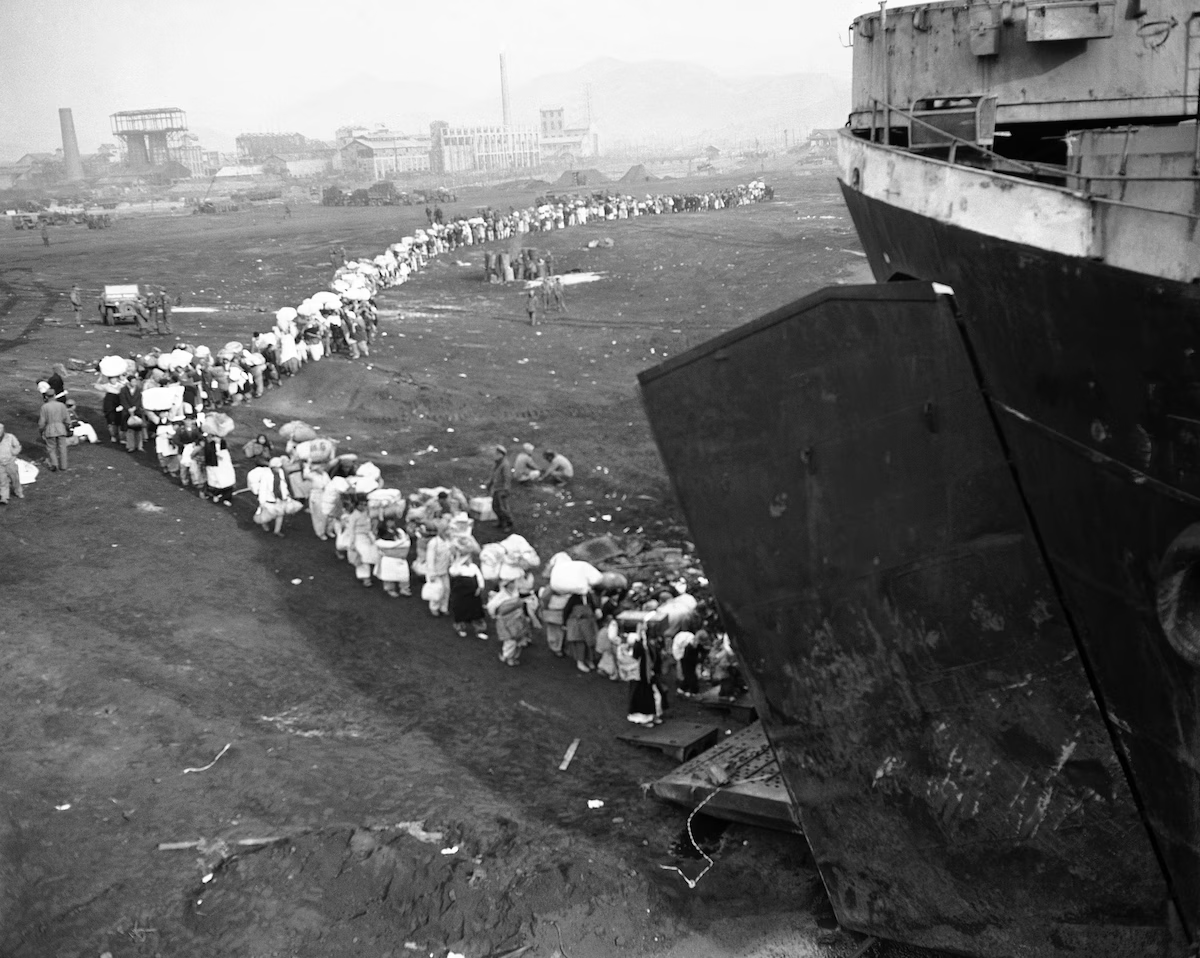
My great-grandfather owned a hotel business in North Korea when the war broke out.
He decided to escape to South Korea to keep his family safe - his wife, my then seven-year-old grandfather, and his eleven younger siblings. But unlike the other refugees, they did not have to set foot on the ground to trek across the war-established border.
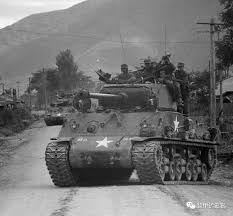
My great-grandfather had taken in a faction of exhausted South Korean soldiers sent on a mission, offering them food and a warm place to rest in one of his hotels. He befriended their high-ranking general, who, in return, arranged for the entire family’s safe transportation in their army trucks.
The family arrived safely thanks to my great-grandfather’s actions, establishing their new home in a South Korean safehouse. But he lived separately during their stay in the South - secreted away in a location not even his wife knew about in order to evade capture by North Korea, which had started to seek out and take away known wealthy figures. Using his "business mind," as my grandma described it, he continued to make money through ways he told no one about, visiting the rest of his family around once a month to give them what he had earned. He stole away again during the early morning hours. My grandfather and his siblings also did what they could by selling trinkets and gathering the chocolate and gum American soldiers gifted Korean children to sell elsewhere.
They lived out the war in this bleak manner until the Armistice Agreement was signed on July 27, 1953.
The war's end spelled out a happy ending for my great-grandfather; he was reunited with his family when the fighting finally ceased, building upon the new life he had carved out for his household in South Korea.
I am constantly reminded of how fortunate our family was to emerge unscathed, along with the powerful yet frequently overlooked certainty that compassion can completely change the course of a life.


Comments